The Timeless Wisdom of Seasonal Greek Eating
Imagine a diet that's not only incredibly delicious but also intrinsically linked to optimal health, environmental sustainability, and a deeper connection to nature's rhythm. This isn't a fad; it's the ancient wisdom embedded in "seasonal Greek eating." For centuries, Greeks have intuitively embraced the bounty of their land, creating a cuisine that is a vibrant tapestry of fresh, peak-season ingredients. This approach isn't just about what's on the plate; it's a lifestyle that offers profound benefits, transforming everyday meals into a celebration of flavor, vitality, and mindful living.
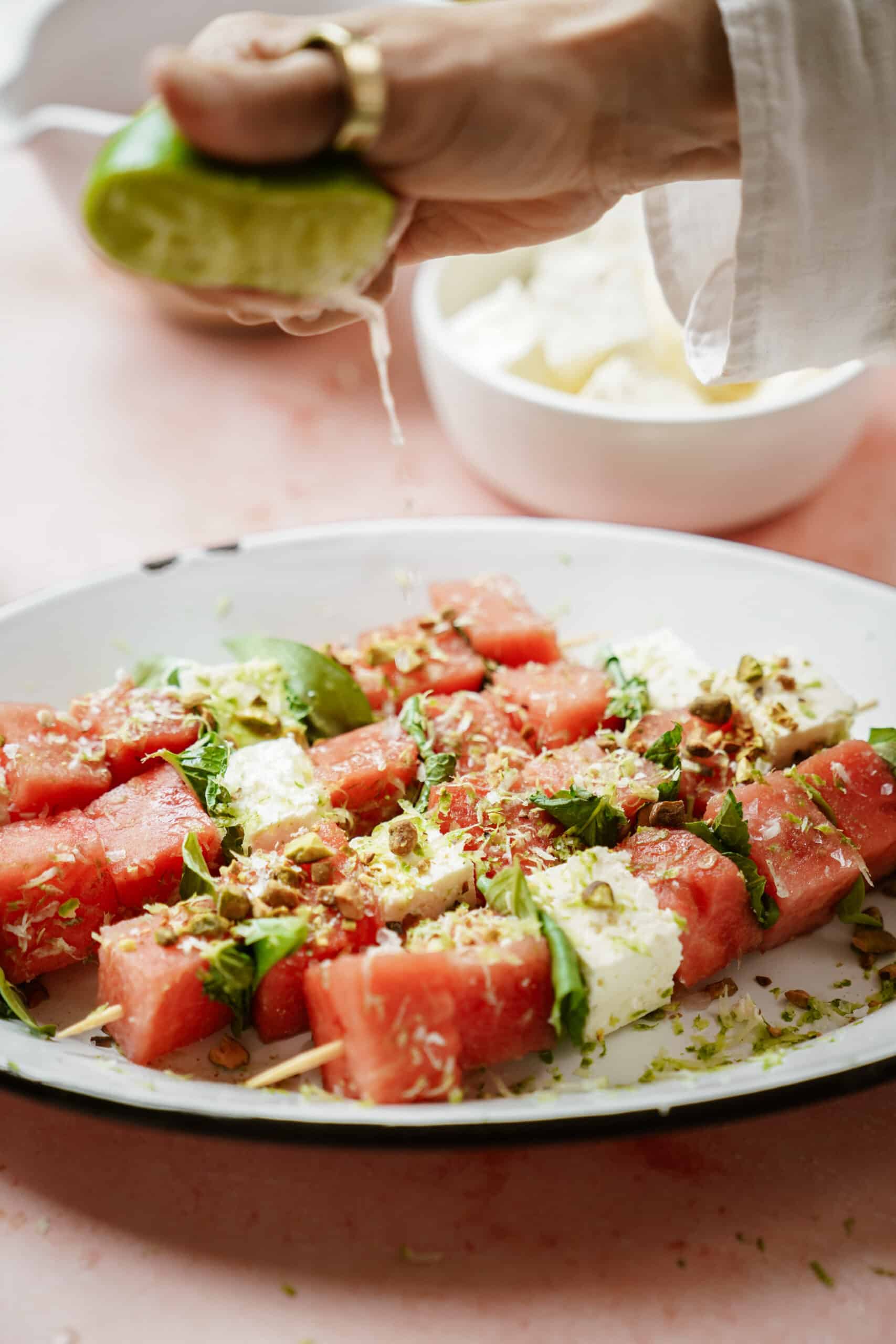
At its core, seasonal Greek eating is about savoring produce when it's naturally at its best. Think of the sun-ripened tomatoes and juicy watermelons of summer, bursting with sweetness and flavor unmatched by their off-season counterparts. Contrast this with the robust, earthy greens and bright, zesty citrus that invigorate winter meals. This rhythmic dance with the seasons ensures that every ingredient delivers maximum taste and nutritional impact. When fruits and vegetables are harvested at their prime, they are packed with higher concentrations of vitamins, minerals, and antioxidants, having fully absorbed the sun's energy and nutrients from the soil. Beyond the health benefits, this commitment to seasonality offers a delightful culinary adventure, inspiring creativity in the kitchen as different ingredients come into their fleeting glory throughout the year.
Beyond the Plate: Health, Longevity & the Blue Zone Connection
The profound health benefits of seasonal Greek eating are undeniable and align perfectly with what researchers call the
Blue Zone Secrets of Seasonal Greek Eating. Blue Zones are specific regions around the world where people live exceptionally long, healthy lives, often reaching age 100 with remarkable vitality. Greece, particularly its island of Ikaria, is recognized as one such Blue Zone, and its inhabitants' dietary patterns offer crucial insights.
A cornerstone of the Blue Zone diet, and consequently seasonal Greek eating, is its overwhelming emphasis on plant-based, veggie-forward meals. This doesn't mean a complete abstinence from meat, but rather a significant reduction in its consumption, treating it as a complement rather than the main event. Instead, the focus shifts to a diverse array of vegetables, legumes, whole grains, and fruits, all consumed in their natural, unprocessed state. By prioritizing fresh, seasonal produce, Greeks naturally gravitate towards meals rich in fiber, vitamins, and disease-fighting antioxidants. This naturally crowded out processed foods, which are notoriously high in unhealthy fats, sugars, and artificial additives – a stark contrast to the longevity-promoting Blue Zone principles.
Furthermore, eating seasonally often translates to more economical choices. Seasonal vegetables are typically at their most abundant, making them cheaper than out-of-season alternatives or meat. This economic advantage makes a healthy, plant-rich diet accessible to everyone, demonstrating that eating well doesn't have to break the bank. By embracing seasonal Greek eating, you're not just choosing a healthier diet; you're adopting a sustainable, mindful approach to food that has been proven to foster longevity and well-being.
A Greener Plate: Seasonal Eating for a Sustainable Future
The benefits of seasonal Greek eating extend far beyond personal health, impacting the well-being of our local communities and the planet. In an increasingly globalized food system, it's easy to overlook the journey our food takes to reach our plates. Non-seasonal produce often travels thousands of miles, requiring extensive refrigeration, specialized packaging, and significant fossil fuel consumption for transportation. This creates a hefty carbon footprint, contributing to greenhouse gas emissions and climate change.
By consciously choosing in-season foods, you are inherently purchasing products that likely didn't have to travel overseas or be grown in energy-intensive hothouses. This dramatically reduces the "food miles" associated with your meals, thereby lowering your personal carbon footprint. It’s a simple yet powerful way to contribute to environmental sustainability.
Moreover, embracing seasonal eating invigorates local economies and supports small-scale farmers. When you buy produce that's in season, you're more likely to be sourcing it from local markets, farm stands, or community-supported agriculture (CSA) programs. This direct support helps local farmers thrive, strengthens regional food systems, and keeps money circulating within your community. It fosters a connection between consumers and producers, promoting transparency and appreciation for the hard work involved in bringing food to our tables. Beyond the environmental and economic advantages, this way of eating encourages a deeper appreciation for where our food comes from and the natural cycles that govern its growth. It’s a holistic approach that truly is good for you, your city, and the planet.
Savoring the Seasons: Culinary Highlights & Practical Tips for Your Kitchen
Transitioning to seasonal Greek eating might seem daunting, but it's a joyful culinary journey rooted in simplicity and flavor. The key is to let nature's calendar guide your choices, discovering the vibrant tastes each season has to offer. For a comprehensive guide to year-round Greek flavors, explore
Fresh & Flavorful: Your Guide to Seasonal Greek Cuisine.
Spring's Freshness: The Iconic Greek Village Salad (Horiatiki)
As spring awakens, so does a craving for fresh, vibrant dishes. Greek cuisine perfectly meets this desire, emphasizing light, wholesome ingredients. A prime example is the beloved
Greek Village Salad, or
Horiatiki. This isn't just a side dish; it's a celebration of spring's essence, embodying the fresh, invigorating spirit of the Mediterranean.
A true Horiatiki relies on the peak freshness of its components:
- Ripe Tomatoes: The star of the show, delivering natural sweetness and juiciness.
- Crunchy Cucumbers: Offering a cool, crisp counterpoint.
- Crisp Bell Peppers: Adding vibrant color and a sweet crunch.
- Tangy Feta Cheese: A generous slab (not crumbled!) is traditional, providing a salty, creamy richness. Opt for high-quality, authentic Greek feta for the best experience.
- Kalamata Olives: Briny and meaty, they add depth.
- Fresh Herbs: A scattering of fresh parsley and oregano elevates the aromatic profile significantly.
- Drizzle of Olive Oil: The lifeblood of Greek cuisine. Use a high-quality extra virgin olive oil for its rich flavor and health benefits.
The beauty of Horiatiki lies in its simplicity. No lettuce needed! The key is using top-tier ingredients and letting their natural flavors shine. While perfect as a light meal, it also complements grilled meats or fish beautifully. For a touch of extra zest, a squeeze of fresh lemon juice can be added, and customization is welcome – consider capers, artichoke hearts, or even grilled zucchini for added texture and flavor.
Modern Twists for Seasonal Delights: Lemon & Herb Quinoa Tabbouleh
Beyond traditional dishes, the principles of seasonal Greek eating inspire modern adaptations. A fantastic example is
Lemon and Herb Quinoa Tabbouleh. This dish captures the brightness of spring while offering a contemporary, gluten-free twist on the classic tabbouleh. By replacing bulgur with quinoa, it maintains a wholesome texture and provides a complete protein, making it an excellent choice for a healthy, satisfying meal or side. Loaded with fresh herbs like mint and parsley, diced seasonal vegetables, and a zesty lemon dressing, it perfectly encapsulates the fresh, vibrant spirit of the season.
Practical Tips for Embracing Seasonal Greek Eating
Ready to bring the spirit of Greece to your table? Here are some actionable tips:
- Connect with Local Sources: Visit farmers' markets, join a CSA, or simply check the seasonal produce aisle at your grocery store. Ask vendors what's in season and where it comes from.
- Plan Your Meals Seasonally: Instead of deciding on a dish and then hunting for ingredients, let the seasonal bounty dictate your menu. If zucchini is abundant, plan a meal around it.
- Embrace Simplicity: Greek cooking celebrates the inherent flavors of fresh ingredients. Don't overcomplicate things; a good olive oil, fresh herbs, and a squeeze of lemon are often all you need.
- Stock Your Pantry with Greek Staples: High-quality extra virgin olive oil, feta cheese, olives, legumes (lentils, chickpeas), and a variety of dried herbs are essential for authentic flavors.
- Learn Basic Greek Recipes: Start with simple dishes like salads, roasted vegetables, or lentil soups, then gradually expand your repertoire.
- Preserve the Bounty: When a particular fruit or vegetable is at its peak and plentiful, consider preserving it through pickling, freezing, or making jams to enjoy its flavors year-round.
Embracing seasonal Greek eating is more than just a dietary choice; it's an invitation to reconnect with food in a more mindful, sustainable, and utterly delicious way. It’s an opportunity to savor the best nature has to offer, season by season, enriching your health, supporting your community, and honoring the planet.