Fresh & Flavorful: Your Guide to Seasonal Greek Cuisine
Imagine a table laden with vibrant colors, intoxicating aromas, and tastes that speak of sun-drenched landscapes and ancient culinary wisdom. This isn't just a fantasy; it's the daily reality for those who embrace the principles of
seasonal Greek eating. At its heart, Greek cuisine is a profound celebration of nature's bounty, a philosophy rooted in using ingredients at their absolute peak. It's about savoring the bright zest of winter citrus, the explosive sweetness of summer tomatoes, and the earthy comfort of autumn's harvest. Far more than just a diet, it's a delicious journey through the year, connecting you to the rhythm of the earth and infusing your kitchen with unparalleled flavor and vitality.
The Essence of Seasonal Greek Eating: A Timeless Tradition
The Mediterranean lifestyle, renowned worldwide for its health benefits, places fresh, seasonal produce at its very core. In Greece, this isn't a trend; it's a way of life passed down through generations. By eating what's naturally available, Greeks ensure their meals are not only bursting with the best possible flavor but also packed with the highest concentration of nutrients. Think about it: a tomato ripened on the vine under the summer sun compared to one picked green and shipped thousands of miles. The difference in taste, texture, and nutritional value is undeniable.
This dedication to in-season ingredients also offers a fantastic practical benefit: affordability. When produce is abundant and in season, it's typically at its cheapest, making healthy eating accessible to everyone. This smart approach to food aligns perfectly with the principles of the Blue Zone Diet. Blue Zones are unique regions across the globe where people live significantly longer, healthier lives. Their longevity is consistently linked to lifestyles that prioritize plant-forward meals, limit meat consumption, and shun processed foods.
Seasonal Greek eating fits seamlessly into this framework, making vegetables and fruits the stars of the plate. It's a simple, yet powerful, formula for a long and vibrant life. For a deeper dive into this fascinating connection, explore
Unlock Longevity: The Blue Zone Secrets of Seasonal Greek Eating.
Beyond the Plate: Environmental & Economic Benefits
The choice to eat seasonally in the Greek tradition extends its positive impact far beyond personal health and taste buds. It's a powerful act of support for local communities and the planet. When you opt for foods that are in season locally, you're directly supporting farmers in your region. This strengthens the local economy, helps preserve agricultural traditions, and ensures that fresh, high-quality produce remains available for future generations.
Furthermore, purchasing in-season foods dramatically reduces your carbon footprint. Produce that's out of season in your area often has to travel vast distances, frequently crossing oceans and continents, requiring significant energy for transportation, refrigeration, and packaging. By choosing what's ripe and ready closer to home, you minimize these environmental costs. This holistic approach to food—one that benefits you, your city, and the planet—is a cornerstone of the Mediterranean way. To understand more about this broader impact, read
Eat Like a Greek: Embrace Seasonal Flavors for Health & Planet.
A Culinary Calendar: What's Fresh When?
Embracing
seasonal Greek eating means attuning your palate to the year's natural progression. Each season brings its own unique palette of flavors and ingredients, offering endless opportunities to "spice things up" in the kitchen.
Spring's Vibrant Awakening
As the days lengthen and the landscape reawakens, so too does a craving for fresh, invigorating flavors. Greek spring cuisine is a celebration of new growth, focusing on crisp greens, tender herbs, and delicate vegetables. Picture a table adorned with dishes that are both light and profoundly flavorful.
*
Greek Village Salad (Horiatiki): The epitome of spring and summer, this iconic salad comes alive with peak-season ingredients. Ripe, juicy tomatoes, crunchy cucumbers, crisp bell peppers (often green), sharp red onion, Kalamata olives, and a generous slab of creamy feta cheese form the base. Drizzled with high-quality extra virgin olive oil and often seasoned simply with dried oregano, it's a symphony of textures and flavors. For the best experience, choose the freshest ingredients possible; the quality of the olive oil and feta truly makes this dish sing. While traditionally served as a side, it's robust enough to be a light meal, perhaps with some crusty bread to soak up the glorious juices. You can even customize it with capers or fresh lemon juice for an extra zing.
*
Lemon and Herb Quinoa Tabbouleh: A modern, gluten-free twist on the classic Middle Eastern dish, this vibrant tabbouleh uses quinoa instead of bulgur. It’s packed with fresh parsley, mint, tomatoes, and cucumber, all brightened by a generous amount of lemon juice and olive oil. It's a perfect spring side dish, offering both freshness and substance.
* *Other Spring Delights*: Asparagus, artichokes, broad beans, wild greens (horta), fresh peas, and new potatoes also grace Greek tables in spring, often simply steamed, sautéed, or incorporated into light stews and pies.
Summer's Sun-Kissed Bounty
Summer in Greece is synonymous with an explosion of color and flavor. The scorching sun brings many beloved ingredients to their peak, forming the foundation of countless refreshing and hearty dishes.
*
Tomatoes: The undisputed king of Greek summer produce. Used in everything from salads (like Horiatiki) to sauces for pasta, baked dishes, and even simple slices drizzled with olive oil and oregano.
*
Zucchini & Eggplant: These versatile vegetables are transformed into moussaka, fried fritters (kolokithokeftedes), stuffed dishes (gemista), or grilled to perfection.
*
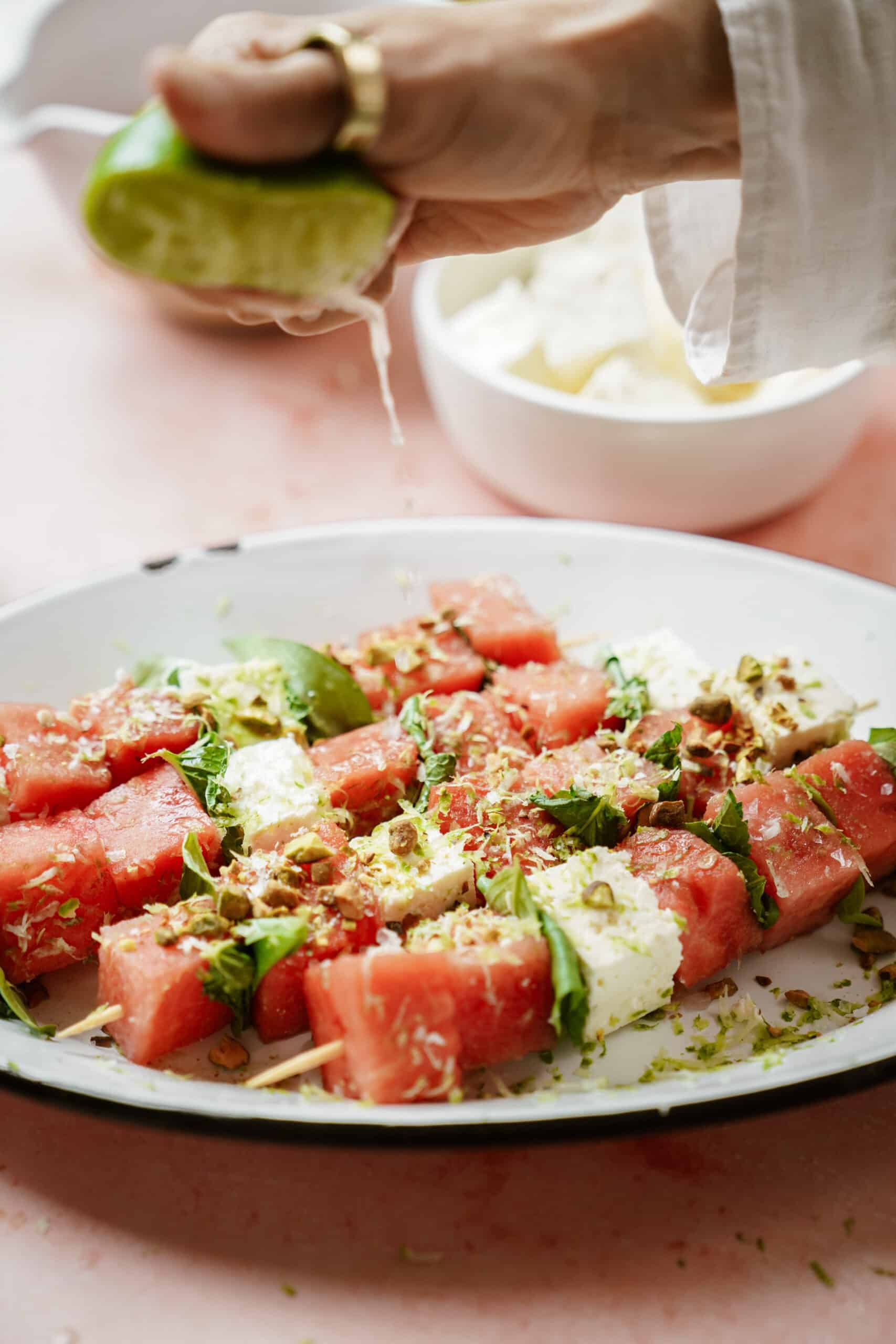
Watermelon & Grapes: The ultimate refreshing desserts, often served simply chilled. Figs and peaches also make a delicious appearance.
* *Other Summer Delights*: Okra, green beans, bell peppers, and fresh herbs like basil and mint are abundant, used extensively in vegetable stews (briam) and savory pies.
Autumn's Earthy Harvest
As the summer heat mellows, Greece transitions to a season of rich, earthy flavors. Autumn brings a comforting warmth to the cuisine, with ingredients that are both satisfying and deeply nourishing.
*
Olives: The olive harvest begins, leading to fresh batches of olive oil and cured olives.
*
Pomegranates: Their jewel-like seeds add a burst of color and tartness to salads and desserts.
*
Squash & Root Vegetables: Butternut squash, pumpkins, and potatoes become staples in stews, soups, and baked dishes.
* *Other Autumn Delights*: Chestnuts, mushrooms, and various leafy greens like spinach and Swiss chard find their way into pies, pilafs, and comforting side dishes.
Winter's Hearty Comforts
When the weather turns chilly, Greek cuisine embraces warmth and robustness. Winter dishes often feature longer cooking times, nutrient-dense ingredients, and bright counterpoints to chase away the cold.
*
Citrus: Lemons, oranges, and mandarins are at their peak, providing a vital dose of vitamin C and a burst of freshness to salads, marinades, and desserts.
*
Hearty Greens: Wild greens (horta), spinach, and leeks are used in soups, pies (spanakopita), and as simple boiled sides dressed with olive oil and lemon.
* *Other Winter Delights*: Legumes like lentils, chickpeas, and gigantes beans form the basis of many warming soups and stews. Cabbage, cauliflower, and robust herbs like rosemary and thyme also play prominent roles.
Bringing Seasonal Greek Eating to Your Table: Practical Tips
Adopting a lifestyle of
seasonal Greek eating is simpler than you might think and profoundly rewarding. Here’s how you can start:
1.
Visit Your Local Farmers' Market: This is the absolute best way to discover what's in season in your area. Chat with farmers, ask about their produce, and be inspired by what looks freshest and most vibrant.
2.
Plan Meals Around Produce, Not Vice Versa: Instead of deciding on a recipe and then buying ingredients, start with what's seasonal. For example, if zucchini is abundant, plan a week with stuffed zucchini, zucchini fritters, or a vegetable stew.
3.
Learn What's Seasonal Locally: Research a seasonal produce calendar for your region. This will help you anticipate what's coming and plan your meals accordingly.
4.
Embrace Simplicity: Greek cuisine often highlights the natural flavors of ingredients. Don't overcomplicate dishes. A drizzle of quality olive oil, a squeeze of lemon, and fresh herbs can elevate even the simplest seasonal vegetable.
5.
Stock Your Pantry Strategically: Keep staples like high-quality Greek extra virgin olive oil, feta cheese, dried oregano, sea salt, and various legumes on hand. These foundational ingredients will complement any seasonal produce you bring home.
6.
Experiment and Be Adventurous: Don't be afraid to try new vegetables or incorporate familiar ones in different ways. Look for Greek recipes that showcase seasonal ingredients.
7.
Grow Your Own Herbs or Veggies: Even a small pot of basil, mint, or oregano on a windowsill can provide fresh, flavorful additions to your seasonal meals and deepen your connection to your food.
Embrace the Greek Way of Life
Seasonal Greek eating is more than just a culinary choice; it's an embrace of a philosophy that values fresh ingredients, simple preparations, health, and a deep respect for nature. By incorporating these timeless principles into your own kitchen, you'll discover a world of unparalleled flavors, nourish your body with peak nutrition, support your community, and tread lighter on the planet. It's a delicious, healthful, and sustainable way to live, inviting you to connect with nature's rhythm, one flavorful, seasonal bite at a time.